
 EN
EN



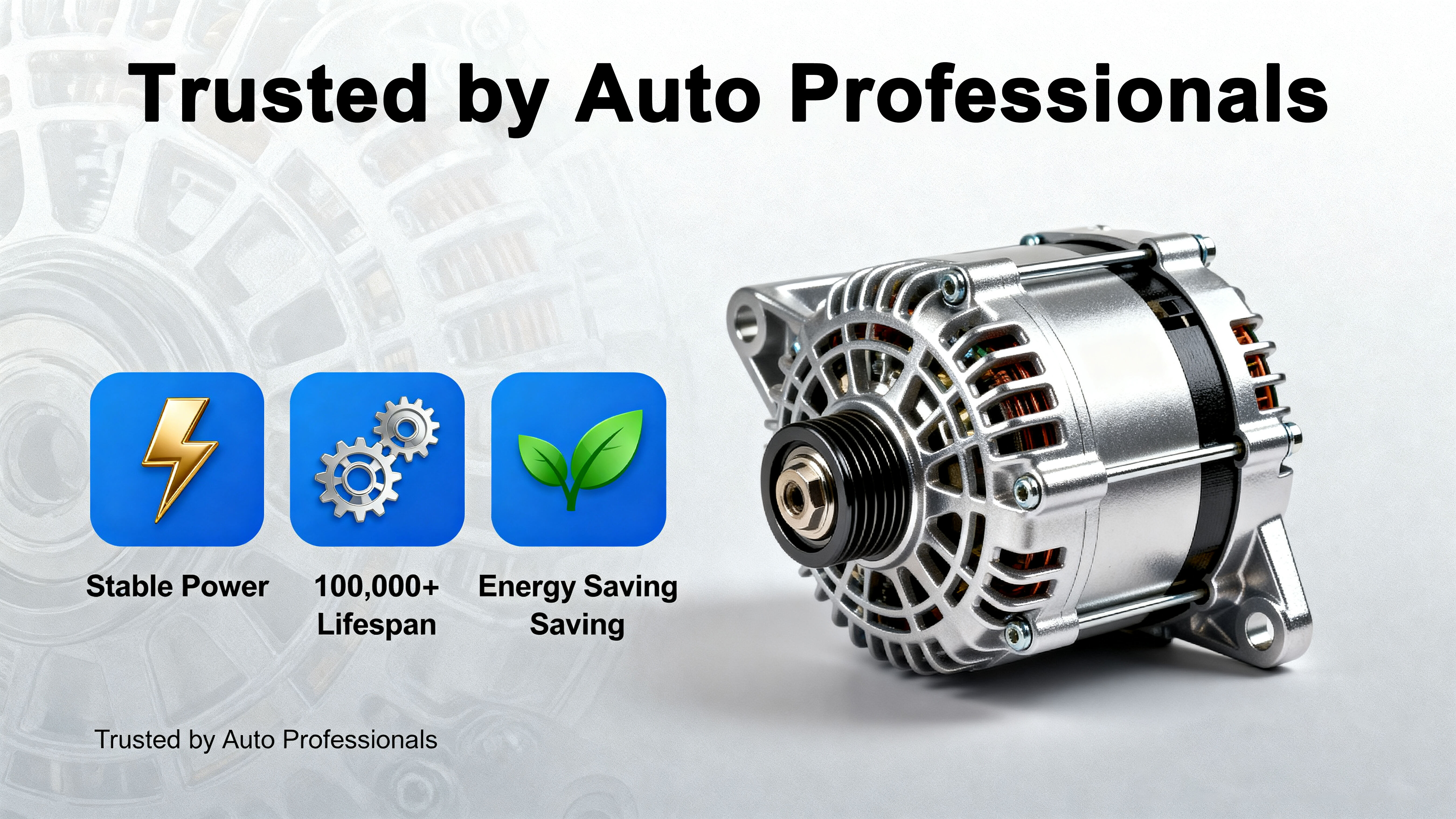
What Is an Alternator and How It Powers Your Vehicle’s Electrical Systems
An alternator serves as the main electricity producer in cars, taking mechanical power from the running engine and turning it into electrical current. What this means is that it keeps the battery topped off while also supplying power to essential parts of the car including lights, spark plugs, and all those computer modules that control everything these days. If something goes wrong with the alternator, even if the battery was completely full at the start, most vehicles will run out of juice somewhere between half an hour to maybe an hour after starting up, based on what mechanics generally observe in their workshops.
Growing Electrical Demands in Modern Cars: Why Standard Alternators Fall Short
Modern vehicles require 40–60% more electrical power than models from the early 2000s due to advanced driver-assistance systems (ADAS), touchscreen infotainment, and electric power steering. Standard alternators (typically 80–150 amps) struggle to meet these demands, often leading to dimming headlights during accessory use or premature battery failure in stop-and-go traffic conditions.
High-Output Alternator vs. Standard: Key Differences in Design and Capability
| Component | Standard Alternator | High-Output Alternator |
|---|---|---|
| Stator Design | Traditional copper windings | 6-phase hairpin stator |
| Rectifier | 3–6 diodes | 12–18 high-temp diodes |
| Output | 80–150 amps | 200–350 amps |
| Efficiency | 55–65% at peak load | 75–85% at peak load |
High-output units feature precision-engineered components to deliver 2–3—the amperage of factory alternators while operating 20–30% cooler. Their reinforced rectifiers prevent voltage drops during simultaneous use of high-drain accessories like winches or aftermarket audio systems.
Top Benefits of High-Output Alternators for Reliability and Efficiency
Enhanced Power Efficiency and Its Impact on Fuel Economy
High output alternators actually convert energy about 15 to 30 percent better than regular ones, which means less strain on the engine overall. The fuel savings from this improvement are pretty significant too. A recent study from SAE International back in 2023 showed cars with these upgraded alternators got around 3 to 5 percent better gas mileage when stuck in traffic. What makes them so good? They reduce that annoying drag on the crankshaft, something mechanics talk about all the time. This helps newer cars comply with those tough emission rules without sacrificing power for things like air conditioning and infotainment systems that drivers have come to expect.
Consistent Electricity Supply for Advanced Vehicle Electronics
Modern vehicles need way more electricity these days compared to older ones because they run all sorts of advanced features like ADAS sensors, entertainment systems, and hybrid tech. The newer high output alternators keep things running smoothly at around 14.4 volts give or take a little bit, even when the car is just idling. This helps prevent those annoying voltage drops that can reset various electronics in the vehicle. Mechanics and automotive engineers have noticed something interesting too. When people upgrade their alternators to ones that produce about 20% more power than what comes standard, there seems to be roughly 12% fewer problems with electrical systems overall according to field reports from several garages across different regions.
Extended Battery Life and Protection Against Voltage Fluctuations
The voltage ripple thing matters a lot for how long batteries last. Premium alternators bring this down to under 100mV, whereas economy models typically sit around 300 to 500mV. According to tests done in 2024, this better regulation can actually stretch out battery life by about 18 to 24 months give or take. Some high output models come equipped with these fancy rectifiers too. They stop deep cycle damage when there's an overload from accessories running at the same time. Think about it saving that $200 to $400 you spent on your car battery. Makes sense why mechanics recommend spending a bit extra on quality alternators sometimes.
Comparing Standard, OEM, and High-Performance Alternators
OEM vs. Aftermarket High-Performance Alternators: Quality, Fit, and Warranty
Original equipment manufacturer alternators are built right to match what came out of the factory, so they work pretty well with most cars' electrical systems. These usually come with decent warranties lasting around two to three years, but let's face it - if someone wants to upgrade their car with extra lights or a better sound system, these stock units just won't cut it. The premium aftermarket options on the market today focus on producing more power thanks to things like those fancy six phase stators and twelve diode rectifiers we hear about so much. Getting these installed properly often means taking them to a shop though, since getting everything to fit right takes some know how.
Performance and Durability: High-Quality vs. Generic Alternator Units
Generic alternators often cut costs with substandard bearings and aluminum windings, leading to premature failure under moderate loads. In contrast, high-performance models use:
- Copper-clad rotors for efficient energy transfer
- Steel alloy housings resistant to vibration damage
- Precision-machined pulleys to reduce belt slippage
- Third-party stress tests show premium units sustain 95% efficiency at 200°F, outperforming OEM counterparts by 15–20% in extreme heat.
Real-World Reliability Under Extreme Conditions (Heat, Vibration, Load)
Modern luxury vehicles can demand 150–200 amps for advanced driver-assist systems, pushing standard units beyond their limits. High-output designs address this challenge with superior thermal and mechanical resilience:
| Factor | Standard Alternator | High-Performance Model |
|---|---|---|
| Peak Amp Capacity | 90-120A | 180-250A |
| Continuous Duty | 60 minutes at 50% load | 120+ minutes at 75% load |
| Vibration Tolerance | 4G acceleration | 6G acceleration |
Independent durability trials reveal high-end units withstand 100,000+ startup cycles—double the lifespan of economy models—making them ideal for desert climates or heavy-duty applications.
Long-Term Cost Savings and Value of Investing in a Quality Alternator
Modern vehicles place unprecedented demands on their electrical systems, making alternator quality a key factor in total cost of ownership. While premium alternators require a higher initial investment, their robust engineering and materials deliver long-term value.
Reduced Maintenance and Replacement Costs Over Time
Most standard alternators tend to run about 5 to 7 years before needing replacement, but the high output ones made with billet aluminum casings and those fancy voltage regulators can easily hit 10 years or more in service. The longer lifespan means less time waiting for repairs and saving money on repeated mechanic visits. According to some recent research published last year by automotive engineers, cars equipped with these heavy duty alternators needed roughly 60 percent fewer fixes related to electrical problems during a five year period than their cheaper counterparts. Makes sense when thinking about long term costs versus upfront savings.
Total Cost of Ownership: Why Cheaper Alternators Cost More Long-Term
Cheaper alternators often come with thinner copper windings and stamped steel parts that just don't hold up when things get hot, which means breakdowns happen again and again. Mechanics across the country will tell anyone who'll listen that cutting corners on alternator quality ends up costing way more down the road. Think about all those replacement costs, towing bills, not to mention potential damage to the car's battery or computer system from voltage spikes. The numbers back this up too. Most drivers end up spending roughly twice as much over a decade replacing three cheap alternators compared to what they'd pay for a single quality unit upfront. Makes sense really when you consider how many times people end up stuck on the side of the road with these budget options.
When and How to Upgrade to a High-Output Alternator
Aftermarket Upgrades: Powering Audio Systems, LED Lighting, and Accessories
Throwing in aftermarket stuff such as those big 2000 watt sound systems, bright LED light bars, plus extra cooling fans really ramps up how much electricity is needed. Take a standard 120 amp alternator that comes stock on most cars - it just plain struggles to keep up with something drawing around 150 amps worth of power. What happens? Lights start to dim and flicker, batteries get worked hard beyond their limits, sometimes even causing whole electrical systems to act up. That's why people who upgrade their rigs or build specialty work vehicles often install high output alternators instead. These upgraded parts maintain steady power flow without cutting out when multiple accessories are running at once, which matters a lot for trucks that need reliable performance day after day.
How to Choose the Right Alternator: Amperage, Compatibility, and Brand
When choosing an alternator, figure out what kind of electrical demand the vehicle will actually have over time, including any planned modifications down the road. Throw in about 20 to 25 percent extra capacity just to be safe. For trucks equipped with winches or those running dual battery systems, something rated at least 250 amps usually works best. Most regular passenger cars can get by with around 180 amps though. Going with brands that have ISO 9001 certification tends to save headaches later on since these companies generally produce alternators that fit properly without messing with existing wiring harnesses or causing issues when connected to the car's computer system.
Determining When to Upgrade Based on Electrical Load and Vehicle Use
Keep an eye out for telltale signs that something's wrong with the alternator. Headlights that get noticeably dimmer when accelerating, or needing regular jump starts, usually point to an alternator that just isn't cutting it anymore. Vehicles used off road with extra gear like fridges and big lights tend to need bigger alternators. Same goes for modified cars with those powerful audio systems everyone loves at car shows. For everyday drivers without all that extra stuff, there's still a way to check if upgrading makes sense. Do what's called a parasitic draw test. If the electrical load stays above about 70% of what the alternator can handle over time, then it probably is time to think about getting a better one installed.
FAQ
What is the main function of an alternator in a car?
An alternator converts mechanical energy from the engine into electrical energy, maintaining the battery charge and supplying power to essential car components.
Why do modern cars need high-output alternators?
High-output alternators meet the increased electrical demands of modern cars equipped with advanced driver-assist systems, infotainment, and more, preventing issues like dimming headlights and premature battery failure.
How do high-output alternators benefit vehicle performance?
High-output alternators offer improved power efficiency, consistent electricity supply, extended battery life, and protection against voltage fluctuations, enhancing overall vehicle performance and longevity.
What's the difference between OEM and aftermarket high-performance alternators?
OEM alternators are designed to match factory specs, whereas aftermarket options provide more power for upgrades like better audio systems and lighting, often requiring professional installation.
When should I consider upgrading to a high-output alternator?
Consider upgrading if you notice dimming headlights, frequent jump starts, or if your vehicle has added electrical accessories that exceed the current alternator's capacity.
Table of Contents
- What Is an Alternator and How It Powers Your Vehicle’s Electrical Systems
- Growing Electrical Demands in Modern Cars: Why Standard Alternators Fall Short
- High-Output Alternator vs. Standard: Key Differences in Design and Capability
- Top Benefits of High-Output Alternators for Reliability and Efficiency
- Comparing Standard, OEM, and High-Performance Alternators
- Long-Term Cost Savings and Value of Investing in a Quality Alternator
- When and How to Upgrade to a High-Output Alternator
-
FAQ
- What is the main function of an alternator in a car?
- Why do modern cars need high-output alternators?
- How do high-output alternators benefit vehicle performance?
- What's the difference between OEM and aftermarket high-performance alternators?
- When should I consider upgrading to a high-output alternator?