
 EN
EN



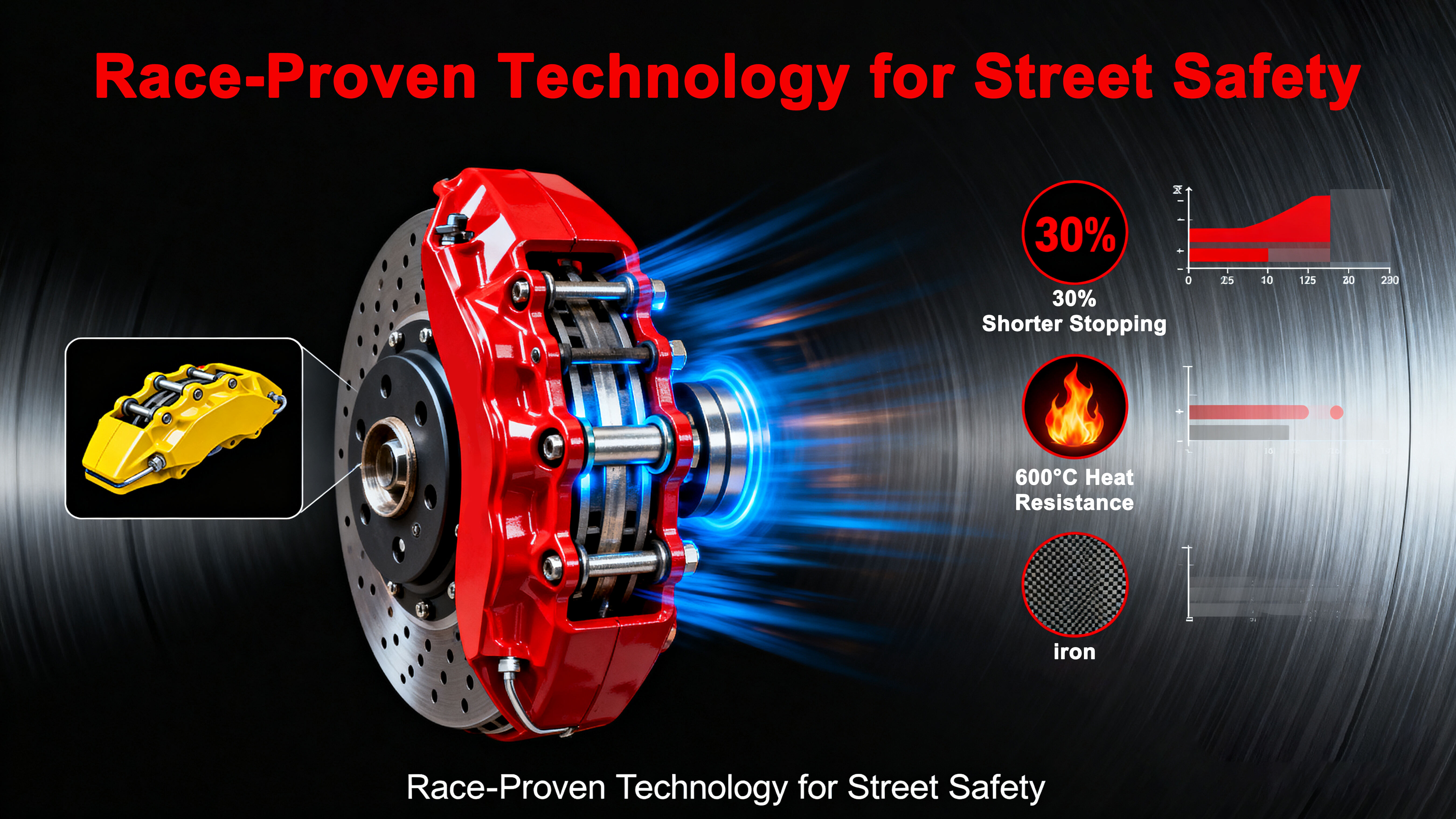
Understanding the Role of Brake Calipers in Vehicle Safety and Performance
The Core Function of Brake Calipers in Disc Brake Systems
The brake caliper serves as the main connection point where hydraulic pressure gets turned into actual stopping power in disc brake systems. These C-shaped parts contain pistons that push the brake pads onto the rotor surface whenever someone steps on the brake pedal. This creates friction which turns the vehicle's motion energy into heat. Compared to older drum brake designs, modern disc brake calipers have all their working parts out in the open air, allowing them to shed heat much better. This design improvement cuts down on brake fade problems during intense driving situations. Recent research from friction material experts suggests this can make a difference of around 30% in performance when things get really hot under the hood.
How Brake Calipers Contribute to Overall Braking Performance
Three key factors define a caliper's performance:
- Piston count: 4–8 piston designs distribute clamping force more evenly across the rotor
- Rigidity: Monoblock constructions minimize flex under extreme pressure
-
Heat management: Forged aluminum housings endure temperatures exceeding 1,200°F
A 2023 SAE analysis found vehicles equipped with performance calipers reduced 60–0 mph stopping distances by 11 feet compared to standard setups.
Importance of Brake Calipers in Vehicle Safety and Control
Working calipers matter a lot when it comes to even braking. The National Highway Traffic Safety Administration found out back in 2022 that about one quarter of all braking related accidents happen because brake pads aren't making proper contact. Let's look at how different types work. Floating calipers slide around so they can line up properly with the rotor surface. Fixed calipers stay put and keep good contact especially when someone slams on the brakes hard. These days lots of cars come equipped with built in sensors that tell drivers something might be wrong with their calipers long before anything actually breaks down. This helps mechanics catch problems early and keeps everyone safer on the road.
Types of Brake Calipers: Fixed, Floating, and Multi-Piston Designs Explained
Differences Between Fixed and Floating Brake Calipers
The main difference between fixed and floating calipers lies in their construction and how they function when stopping a vehicle. Fixed calipers come equipped with pistons positioned on either side of the brake rotor, which helps create even pressure distribution across the disc and provides excellent structural stability. On the other hand, what we call floating or sliding calipers only have pistons on one side. These rely on a mechanism that allows them to slide back and forth so they can press against both brake pads simultaneously. Performance enthusiasts often prefer fixed calipers because they don't bend as much during hard stops and handle heat better too. For regular daily drivers though, floating calipers remain popular thanks to their lighter weight and lower price tag. Research indicates that fixed calipers cut down on flex by around 30 percent during intense braking situations, which means less chance of developing those annoying hot spots where brake pads wear out faster than others.
Performance Advantages of Multi-Piston Brake Calipers
When it comes to brake systems, multi piston designs like 4, 6, or even 8 piston arrangements really make a difference. They spread out the force across bigger brake pads which improves how well the brakes actually work. The good news is these setups keep things cooler under the hood too. Brake fade becomes less of a problem when someone needs to stop repeatedly without letting up. Take a look at numbers from Ponemon Institute back in 2023 they found that six piston calipers give around 15 percent better pressure distribution compared to just two pistons. That means cars equipped with them generally come to a halt faster in emergencies. Race cars and trucks carrying heavy loads benefit most from this kind of setup since their drivers need reliable stopping power mile after mile on track or road.
Matching Caliper Type to Driving Conditions and Vehicle Use
- Floating calipers: Best for light passenger vehicles and city driving due to compact size and affordability
- Fixed calipers: Ideal for sports cars, towing, or track use where thermal stability and responsiveness matter
- Multi-piston systems: Suited for performance EVs and luxury sedans requiring high-speed control and rapid deceleration
Case Study: High-Performance Vehicles Using Fixed vs Floating Calipers
Most everyday cars come equipped with floating calipers, but when we look at race cars, they almost always go for fixed designs instead. According to track testing data, these fixed calipers can cut down on lap time inconsistencies by around 1.2 seconds across various circuits because they offer more predictable brake response and maintain their performance level throughout long races. On the other side of things, luxury SUV manufacturers are starting to integrate newer versions of floating calipers made from better materials. These improvements help maintain solid stopping power while still keeping fuel consumption low and ensuring passengers enjoy a smoother ride overall.
Key Components and Design Innovations in Modern Brake Calipers
Key components: pistons, pads, housing, and slide pins
Today's brake calipers rely on several key components working together. The pistons push hydraulic fluid against the brake pads that press onto the rotor. The housing made from aluminum gives it the necessary strength but keeps things light at the same time. Slide pins need proper lubrication so they can move freely, making sure the pads make even contact across the surface. When these slide pins start wearing down, problems happen fast. According to recent data from last year's Brake Performance Study, about 22 percent of all braking issues come from worn out slide pins. That makes regular inspection really important for anyone wanting their brakes to work properly under different driving conditions.
Material choices and their influence on durability and heat resistance
High-performance calipers typically use forged aluminum alloys, offering 40% better heat dissipation than cast iron and improved corrosion resistance. Piston seals now incorporate fluoropolymer compounds capable of withstanding temperatures up to 600°F (315°C). Manufacturers optimize strength-to-weight ratios–using aerospace-grade aluminum reduces mass by 25% without sacrificing structural integrity compared to steel.
Trend: Monoblock calipers and integrated design innovations
Monoblock calipers are made from one solid chunk of metal instead of multiple parts welded together. This construction gets rid of those weak spots at welds, making them about 35% stiffer overall and able to handle around 20% more heat when pushed hard on the track. Most modern performance models come with built-in cooling channels and special heat resistant coatings that really make a difference after dozens of hard stops. Another big plus is how these calipers work with quick change pad systems. Mechanics can swap out worn pads in roughly half the time it takes for older style calipers, which saves everyone headaches during race prep or track days.
Benefits of Upgrading Brake Calipers for Better Stopping Power and Control
Improved Stopping Power Through Upgraded Brake Caliper Designs
Advanced multi-piston calipers increase pad contact pressure by up to 40% over single-piston models, delivering faster response times–critical in emergency braking situations. Constructed from rigid, thermally stable materials like forged aluminum, these calipers maintain performance consistency during repeated hard stops.
Enhanced Handling and Control Under Aggressive Driving
High-performance calipers improve brake modulation, enabling finer control during threshold braking. This allows drivers to maintain traction and stability on winding roads or mountain descents. Superior heat dissipation prevents brake fluid vaporization, eliminating pedal fade–a vital advantage when towing or navigating steep terrain.
Data Insight: Stopping Distance Reduction With High-Performance Calipers
Vehicles fitted with racing-grade calipers achieve 22% shorter stopping distances from 60 mph in standardized tests compared to factory systems. Given that most rear-end collisions occur within two seconds of initial reaction, this improvement significantly enhances crash avoidance capability.
Controversy Analysis: Are Bigger Calipers Always Better?
While 6-piston systems dominate professional racing, they often exceed the needs of daily drivers. Oversized calipers can add 15–20 pounds of unsprung weight per axle, potentially affecting ride quality and fuel economy. Optimal upgrades should match rotor size and vehicle demands rather than prioritize maximum piston count or caliper dimensions.
Choosing and Installing the Right Brake Calipers for Your Vehicle
Selecting the right brake calipers involves balancing performance goals with practical considerations. Three primary factors guide selection:
- Vehicle weight: Heavier vehicles require larger pistons to manage greater kinetic energy
- Driving style: Aggressive or track-focused driving benefits from multi-piston, heat-resistant designs
- Intended use: Commuters should prioritize longevity and reliability, while performance builds demand enhanced thermal capacity
Getting the right fit with current brake parts matters a lot for proper function. The mounting brackets need to line up correctly with whatever rotor size we're working with, while the pistons inside have to match what comes out of the master cylinder. When everything lines up properly, good caliper matching can cut down on stopping distance quite a bit actually around 20 something percent when pushing hard on the brakes. Before installation though, it's smart to double check those slide pin gaps and make sure the pads fit just right according to what the factory says they should be. Otherwise things might bind up or wear unevenly over time, which nobody wants.
When to Replace vs. Upgrade Brake Calipers
Replace calipers when signs of piston seizure (over 15% drag variance) or structural corrosion appear. Consider an upgrade only when paired with complementary improvements–such as high-performance rotors and pads–as a 2024 industry study found 63% of drivers saw measurable gains only with full-system enhancements.
Step-by-Step Considerations for Successful Installation
- Measure hub runout (maximum 0.005") before installing new components
- Torque bracket bolts to specification (typically 25–35 ft-lbs) using a calibrated wrench
- Bench-bleed calipers with manufacturer-approved brake fluid
- Perform incremental bed-in procedure (6–8 partial stops from 35 mph) to seat pads properly
Following these steps ensures reliable operation, maximizes safety margins, and maintains compliance with factory warranty standards in most regions.
Frequently Asked Questions
What are the main types of brake calipers?
The main types of brake calipers are fixed, floating, and multi-piston designs.
Why are multi-piston brake calipers preferable in high-performance vehicles?
Multi-piston brake calipers provide better force distribution, improved pressure on brake pads, and enhanced cooling capabilities, making them ideal for high-performance vehicles.
When should brake calipers be replaced or upgraded?
Brake calipers should be replaced when there are signs of piston seizure or corrosion. Upgradation should be considered only along with other system enhancements for maximum benefit.
How do fixed calipers differ from floating calipers?
Fixed calipers have pistons on both sides of the rotor providing even pressure, while floating calipers have pistons on one side and rely on sliding mechanisms.
Table of Contents
- Understanding the Role of Brake Calipers in Vehicle Safety and Performance
- Types of Brake Calipers: Fixed, Floating, and Multi-Piston Designs Explained
- Key Components and Design Innovations in Modern Brake Calipers
- Benefits of Upgrading Brake Calipers for Better Stopping Power and Control
- Choosing and Installing the Right Brake Calipers for Your Vehicle
- Frequently Asked Questions