
 EN
EN



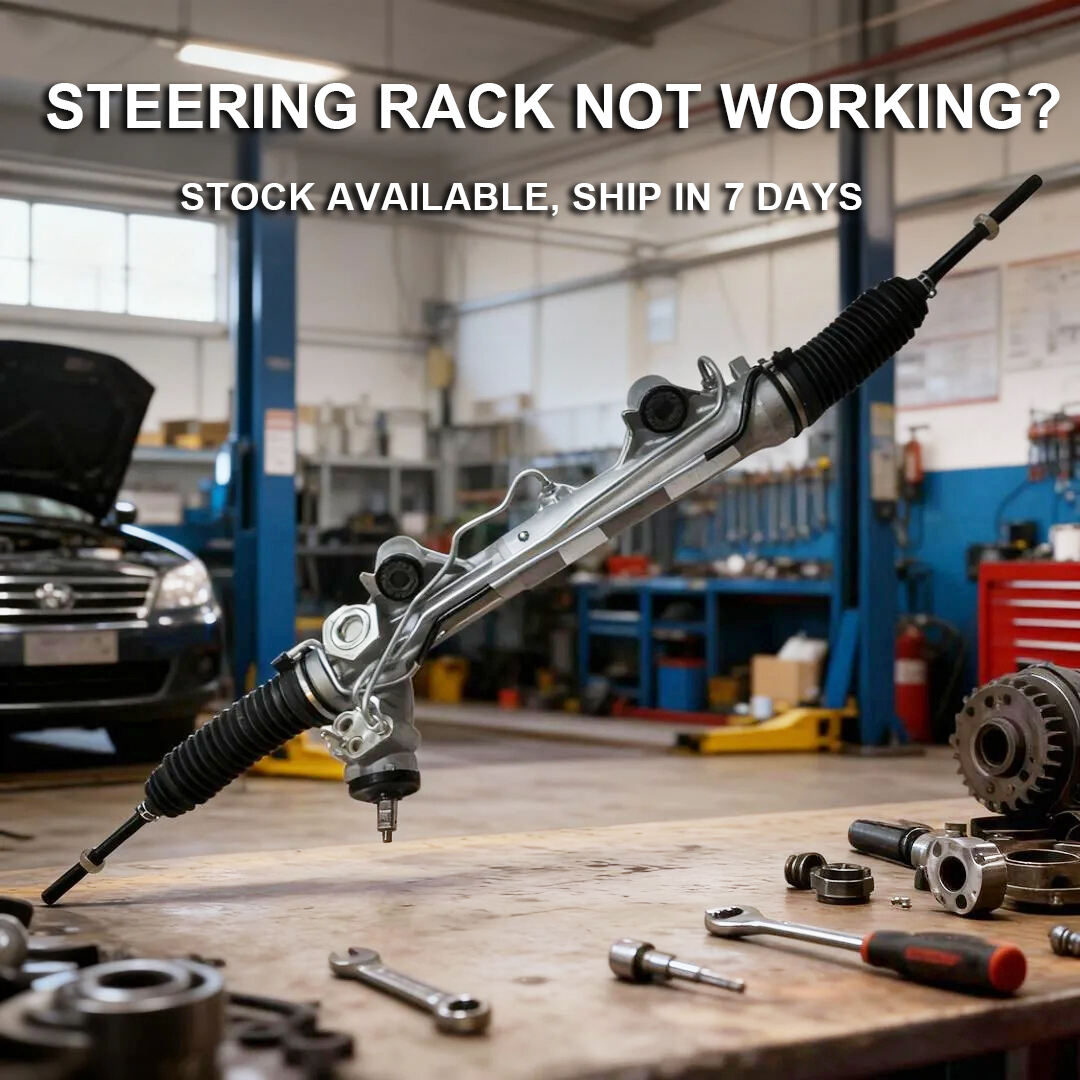
Common Symptoms of a Failing Steering Rack
Difficulty steering or heavy steering as an early warning sign
When a steering wheel feels really stiff and takes extra muscle to turn, that's usually an early warning sign something's wrong with the steering rack. Most drivers first feel this resistance when they're doing slow speed stuff like parallel parking or navigating tight spaces. What starts as just a bit of stiffness tends to get worse over time until it affects how the car handles in every situation. The rubber bushings inside start to break down and metal parts wear against each other. According to some industry studies, mechanics replace steering racks for this exact problem around 42 percent of the time in regular passenger cars. It's definitely something to keep an eye on if your steering suddenly becomes harder than normal.
Steering wheel vibration or misalignment indicating internal wear
When the steering wheel starts vibrating constantly on the highway, this often means the rack bushings are wearing out or there's some kind of imbalance inside the gears. Another thing to watch for happens when alignment issues keep coming back even after getting fixed recently. This might mean the rack mounting points have actually moved because of metal deformation. Pretty common problem too. Mechanics see this happening about once every eight cars that hit over 100k miles on the odometer. Makes sense really, since all that wear and tear eventually takes its toll on components that aren't designed to last forever.
Unusual noises when turning the steering wheel: clunking and grinding explained
Clunking sounds during slow turns suggest excessive clearance between the pinion gear and rack teeth, while grinding noises often follow seal failure, allowing contaminants into precision components. These auditory warnings appear before complete failure in 92% of cases, based on drivetrain failure data.
Car pulling to one side due to uneven rack pressure or damage
If your car consistently pulls to one side despite proper alignment and tire inflation, the cause may lie within the steering rack. Potential issues include uneven hydraulic pressure distribution, physical damage to internal guide rails from road impacts, or corrosion restricting movement on one side of the rack assembly.
Visible power steering fluid leaks under the vehicle
Finding reddish puddles under the front center area of a car usually points to problems with the steering rack seal. A small amount of leaking fluid, maybe just a tablespoon daily, will still cut down on steering assistance after several weeks of driving. Things get serious when looking at the reservoir and noticing foam in the fluid, which means air has gotten into the pressure system somewhere. This kind of contamination can lead to all sorts of handling issues down the road if not addressed properly.
Diagnosing Steering Rack Failure Accurately
Steering rack diagnostics: Using pressure tests and visual inspections
Getting a good diagnosis means doing both pressure tests and looking things over visually. Most mechanics will check system pressure when the engine is running but not moving (around 40 to 60 psi) and then again while making turns (typically between 90 and 120 psi). These readings can point to problems with worn valves inside or pumps that aren't working right. Research indicates something interesting too: roughly seven out of ten leaks related to steering racks actually start at either the input shaft seals or where those high pressure hoses connect, especially when the system is under real workloads. For visual checks, technicians need to stick to proper procedures. Look closely at any cracks in the rubber boots, make sure all mounting bolts are tight, and watch out for unusual wear patterns on the gear teeth. Sometimes small details matter a lot in preventing bigger issues down the road.
Differentiating between steering rack issues and suspension problems
Steering rack failures can mimic suspension issues such as wandering alignment or uneven tire wear. Key differentiators include:
- Force correlation: Rack problems require constant correction even on smooth roads
- Fluid evidence: Only rack issues produce power steering fluid leaks
- Sound location: Clunking near the firewall suggests rack trouble, whereas noise from wheel wells points to suspension
Role of OBD2 scanners and professional alignment checks
Today's cars record various trouble codes for steering angle sensors ranging from C0520 to C0550 and also for electric power steering systems between C1010 and C1249, all of which can be read out using standard OBD2 scanners. According to a recent study published by SAE International in 2023, mechanics have noticed something interesting when checking wheel alignment. If there's more than a 0.15 degree difference in toe settings between left and right wheels during those tight turns where the steering is fully locked, this often points to worn racks about 8 times out of 10. And get this, when technicians combine these alignment readings with actual road tests under load conditions, they hit pretty much spot on with their diagnoses around 92% of the time.
Root Causes of Steering Rack Failure
Wear and Tear on Steering Rack Components Over Time
Most steering rack failures result from gradual degradation. Data shows 82% of replaced racks have worn gears or bearings after surpassing 100,000 miles. Rubber components like bushings and seals deteriorate first, leading to metal-on-metal contact. This process accelerates in vehicles frequently making tight turns or carrying heavy loads.
Steering Rack Leaks and Seal Damage from Contaminated or Low Fluid
Contaminated power steering fluid causes 73% of premature rack failures, according to NHTSA reports. Dirt and moisture erode seals, while low fluid levels deprive the system of necessary hydraulic pressure. Early signs include stiff steering and inconsistent assist, which can progress to full failure within months if unaddressed.
Impact of Road Conditions and Driving Habits on Rack Longevity
Potholes contribute to 22% of annual steering rack damage cases. Aggressive driving especially curb strikes or rapid directional changes increases stress on rack mounts by 3 5 times compared to normal use. Winter road salts and coastal environments also accelerate corrosion, with coastal regions reporting up to 30% faster wear than inland areas.
How the Steering Rack and Pinion System Works
Basic mechanics of the steering rack and pinion assembly
When drivers turn their steering wheel, the rack and pinion system does the heavy lifting by changing that circular motion into straight line movement for the wheels. Basically, there's a small gear (the pinion) connected to the steering column that fits into the teeth of a longer metal bar called the rack. As the driver turns the wheel, this little gear spins and slides the rack either left or right direction, which then moves those tie rods attached to the front wheels back and forth. What makes this setup so good is how responsive it feels. There's almost no lag time between when someone moves the wheel and when the car actually starts turning, making for much better handling overall.
Hydraulic vs. electric power steering rack designs
Two main designs dominate modern vehicles:
- Hydraulic systems use pressurized fluid driven by a belt-powered pump, requiring regular maintenance and fluid checks.
- Electric systems employ a motor to provide assistance, eliminating hydraulic fluid and reducing energy consumption research shows EPS uses just 1/20th the energy of traditional hydraulic setups.
Electric power steering has become standard in newer models due to its efficiency, lower maintenance, and compatibility with advanced safety features.
Integration with modern vehicle safety and driver-assist systems
Modern steering racks play a key role in today's driver assistance tech. The system uses various sensors to track where the rack is positioned and what the driver is doing, which makes possible things like keeping the car in its lane or taking over steering in emergencies. These connected systems allow for instant adjustments that make driving safer all around. According to recent data, nearly four out of five cars made in 2023 come equipped with advanced driver assistance systems linked to the steering mechanism. This shows just how far steering technology has come from simply helping people turn corners effectively.
Replacement Solutions: Fast Shipping and Reliable Supply of Steering Racks
Aftermarket demand driven by gradual wear and predictable replacement cycles
Most steering racks fail between 80,000 and 120,000 miles due to seal breakdown and gear wear. This predictable lifespan drives steady aftermarket demand, with the North American market for steering components valued at $2.1 billion annually (Automotive Aftermarket Trends 2023).
Supplier reliability, availability, and short lead times for steering parts
Top manufacturers maintain 97% fulfillment rates through advanced inventory systems. By combining real-time stock tracking with regional distribution hubs, suppliers can deliver critical parts including tie rods and rack housings within 3 5 business days.
Stock availability and fast shipping: Get your steering rack in 7 days
Leading suppliers ensure rapid delivery with robust infrastructure:
| Key Requirement | Industry Standard |
|---|---|
| Inventory Depth | 5,000+ steering components in stock |
| Shipping Networks | 97% same-day shipment processing |
| Supplier Partnerships | Direct OEM certification for 53 brands |
This enables guaranteed delivery of new or remanufactured steering racks within 7 days even for rare or discontinued models ensuring minimal downtime for repairs.
FAQ
What are the early signs of steering rack issues?
Early signs include difficulty steering or heavy steering, especially at low speeds, and unusual vibrations or misalignment of the steering wheel.
How can steering rack issues be differentiated from suspension problems?
Key differences include constant steering correction on smooth roads, power steering fluid leaks, and clunking noises near the firewall, which indicate steering rack issues.
What is the lifespan of a steering rack?
Most steering racks fail between 80,000 and 120,000 miles due to wear and tear on gears and seals.
How critical is fluid maintenance for the steering system?
Very critical. Contaminated or low fluid levels are a primary cause of premature steering rack failures, as they can erode seals and reduce hydraulic pressure.
How is modern steering technology integrated with safety systems?
Modern steering racks are linked with driver-assist systems, enabling features like lane-keeping assistance and emergency steering intervention for improved safety.
Table of Contents
-
Common Symptoms of a Failing Steering Rack
- Difficulty steering or heavy steering as an early warning sign
- Steering wheel vibration or misalignment indicating internal wear
- Unusual noises when turning the steering wheel: clunking and grinding explained
- Car pulling to one side due to uneven rack pressure or damage
- Visible power steering fluid leaks under the vehicle
- Diagnosing Steering Rack Failure Accurately
- Root Causes of Steering Rack Failure
- How the Steering Rack and Pinion System Works
- Replacement Solutions: Fast Shipping and Reliable Supply of Steering Racks
- FAQ