
 EN
EN



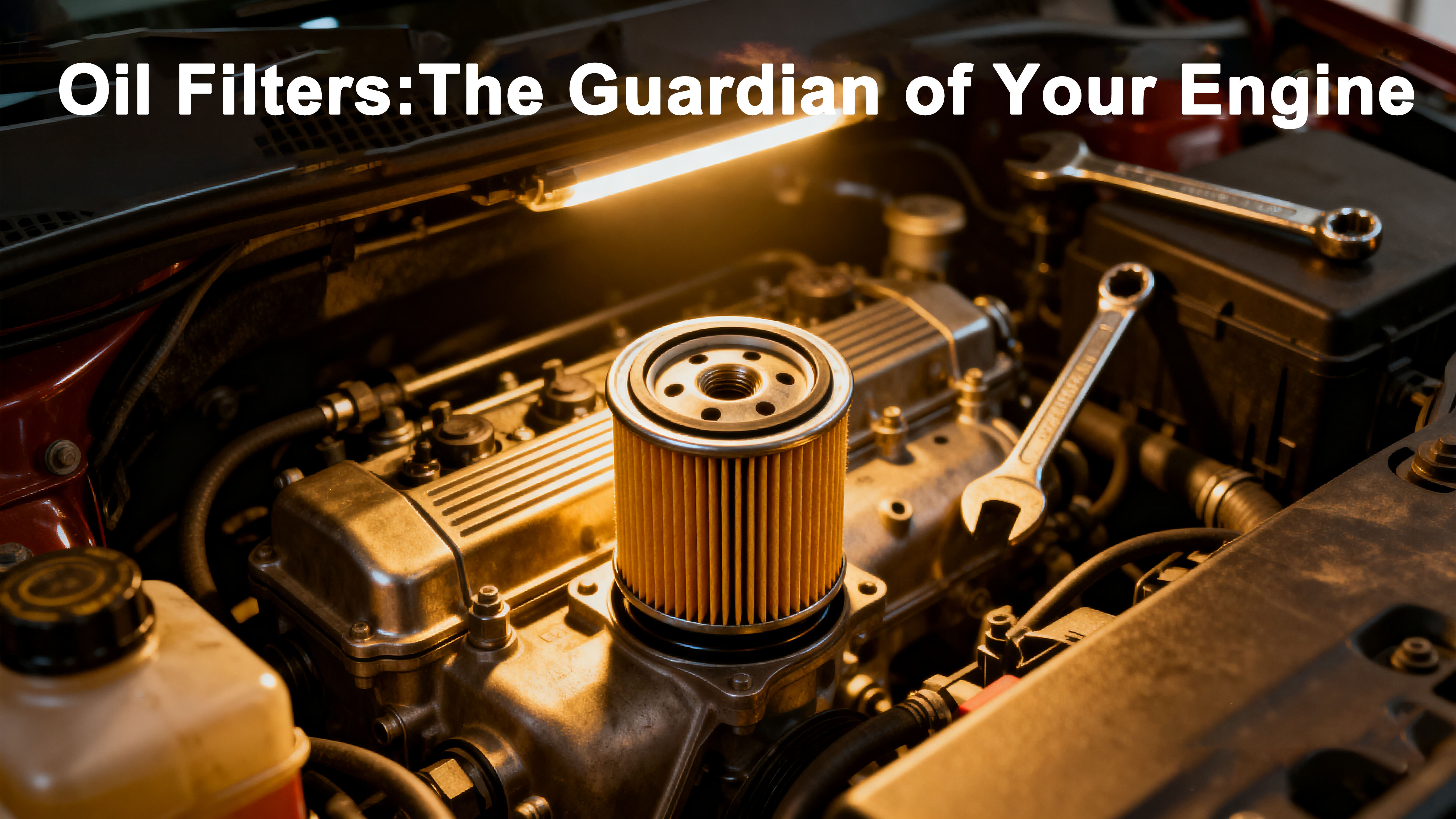
How Oil Filters Protect Engines by Removing Contaminants
The Mechanism of Oil Filtration: How Oil Filters Trap Dirt, Metal Shavings, and Carbon Deposits
Oil filters work to protect engines by pushing oil through different types of porous materials such as cellulose, synthetic fibers, or combinations of these materials. These filters catch tiny particles down to around 20 microns in size. The way they work involves two main methods at once: one where bigger stuff gets stopped mechanically, and another deeper layer that traps smaller contaminants. Dirt, carbon buildup from combustion, and even little bits of metal wear get caught inside the filter material itself. Research published in 2023 showed something interesting too. Modern day oil filters actually circulate nearly all engine oil completely through them every 12 to 15 seconds when operating under pressure conditions reaching up to 80 pounds per square inch. That means the oil stays clean continuously while running. Most good quality filters also include what's called bypass valves built right in. These valves kick in whenever the main filter starts getting blocked up, so there's still enough oil flowing to keep everything properly lubricated and avoid serious engine damage from lack of oil.
Types of Contaminants Filtered by Oil Filters
Critical threats intercepted by oil filters include:
- Abrasive particles: Sand, dirt, and combustion residues that accelerate wear on cylinder walls and bearings.
- Metallic debris: Iron, aluminum, and copper fragments generated from internal friction.
- Carbon sludge: Thick deposits formed from oxidized oil and unburned fuel.
- Moisture: Water from condensation or coolant leaks, which compromises lubricity and promotes corrosion.
Role of Oil Filters in Preventing Internal Abrasion and Engine Wear
By removing over 95% of particulate matter, oil filters preserve the protective oil film between moving parts. Unfiltered contaminants act like abrasives, increasing friction in crankshaft journals and piston rings by up to 300%. This leads to accelerated wear, reducing bearing lifespan by 40–60%, according to engine tear-down analyses.
Case Study: Engine Wear Comparison With High-Efficiency vs. Low-Efficiency Oil Filters
A 10,000-hour fleet test compared premium synthetic media filters against budget cellulose models. Engines using high-efficiency filters showed:
- 72% fewer scratched cylinder walls
- 58% lower bearing groove wear
- 34% reduced oil consumption
Low-efficiency filters allowed 15–25 micron particles to circulate, contributing to increased sludge and valve train wear. Post-test oil analysis revealed three times higher iron and lead concentrations in engines using budget filters.
The Impact of Oil Filter Quality on Engine Longevity and Performance
How Filter Media Quality Affects Particle Capture Efficiency
The quality of filter media makes a big difference in how well it captures particles. Synthetic fibers can grab stuff as small as 10 microns which is about 75 percent smaller than what most cellulose based filters manage to catch, so they stop harmful debris before it gets to those sensitive parts inside machinery. Top grade filters stay around 99 percent efficient even at 20 microns, whereas cheaper alternatives often fall below 85 percent efficiency especially when there's lots of pressure involved. These differences matter in practice too. Research indicates that using better quality media can cut crankshaft scoring by roughly forty percent after driving 100 thousand miles, something that matters a lot for long term engine health.
Consequences of Low-Quality Oil Filters: Oil Starvation and Reduced Protection
Bad quality filters create serious problems for engines in two main ways they either trigger the bypass valve too early or simply fall apart under pressure. When engines start up cold, these cheap filters often get clogged quickly, cutting down oil flow by around 15%. That means vital parts like hydraulic lifters don't get enough lubrication at exactly the wrong moment. What's worse, the weak filter media lets about 30% of those tiny 20 to 40 micron particles slip right through. These little bits are particularly harmful because they wear away piston rings over time. Mechanics who have taken apart engines after long service periods report seeing roughly 2.5 times more scratches on cylinder walls where inferior filters were used consistently. The damage builds up gradually but becomes expensive to fix eventually.
OEM vs. Aftermarket Filters: Balancing Cost, Fit, and Long-Term Reliability
Aftermarket filters typically come in at around 20 to 30 percent cheaper initially, but tests run by Volvo back in their 2025 durability experiments showed original equipment manufacturer filters lasting about twice as long under lab conditions. The real difference comes down to specifics like bypass pressure settings which are much tighter on OEM products, usually between 12 and 15 psi compared to just 8 to 10 psi for generic options. Plus, they use special adhesives that can handle heat 35 degrees Fahrenheit hotter than what's found in most knockoffs, something that matters a lot for cars with turbochargers. That said, there are some decent aftermarket brands out there with ISO certification that actually hold up pretty well for regular passenger vehicles if someone installs them correctly according to specs.
Maintaining Clean Oil: Sludge Prevention, Flow, and Fuel Efficiency
How effective filtration reduces sludge buildup and maintains oil viscosity
Good quality oil filters can trap tiny particles down to about 10 microns in size which is actually smaller than what we see on our own hairs. These filters stop all sorts of dirt and grime from building up into sludge inside the engine. When old oil gets heated up along with stuff left over from burning fuel, it starts to thicken and doesn't flow properly anymore. According to research published last year in the field of tribology, cars running on high end synthetic filter media ended up with around three quarters less sludge buildup after driving 10 thousand miles versus vehicles equipped with standard paper based filters.
The link between consistent oil flow and critical components like hydraulic lifters
Engines today really need consistent oil pressure to keep those important systems running smoothly, especially things like hydraulic lifters and variable valve timing mechanisms. When oil gets dirty or contaminated, it basically clogs up the works. The flow gets restricted, which means parts don't get properly lubricated anymore. Valves start acting up, sometimes sticking or moving unpredictably, and all sorts of components wear out faster than they should. Good clean oil helps maintain what's called hydrodynamic lubrication between moving parts. This creates a protective barrier that cuts down on direct metal contact inside those tight engine spaces. Studies looking at journal bearings show this kind of protection can reduce metal friction by around 90-something percent. Makes sense why mechanics always stress keeping oil clean for engine longevity.
Clean oil and engine efficiency: Reducing friction to improve fuel economy
The latest SAE International report from 2023 shows something pretty interesting about drivetrain efficiency. When engines experience a 10% drop in friction, fuel economy actually goes up between 1.5 to 2 percent. Good filtration systems play a big role here too. They stop those tiny abrasives from wearing down cylinder walls and bearings over time. What happens then is that the oil maintains its protective film properties better, which means it doesn't break down as quickly when exposed to heat and pressure. The benefits go beyond just keeping things running smoothly inside the engine block. Less strain on the oil pump translates to lower energy consumption overall, making the whole system work more efficiently without requiring major modifications or expensive upgrades.
Maximizing Oil and Filter Performance Through Proper Maintenance
Why replace the oil filter with every oil change? Preventing contamination resurgence
A saturated oil filter loses its ability to capture new contaminants and may release trapped debris due to pressure fluctuations or degraded media. This reintroduces sludge and metal fragments into the system, accelerating wear. Replacing the filter with each oil change ensures fresh oil remains uncontaminated, maintaining peak protection.
Recommended oil filter change frequency and alignment with oil drain intervals
Most car makers suggest changing the oil filter around the same time as regular oil changes, usually somewhere between 5,000 to 7,500 miles when using standard motor oil. Some folks try stretching their oil changes out much longer, especially those who switch to synthetic blends that can last over 10,000 miles sometimes. But even then, it's still important to swap out that old filter during each service visit. When people skip replacing filters regularly, they run into problems like sludge forming inside the engine and not enough oil getting where it needs to go. Studies show something pretty shocking actually – about one in five engine breakdowns happens because of bad maintenance practices like this. Following what the car company says about maintenance really does make a difference in keeping engines running smoothly for years.
Choosing the Right Oil Filter for Your Vehicle’s Needs
Matching Oil Filter Specifications to Engine Type: High-Pressure and Turbocharged Systems
Engines that are turbocharged or operate under high pressure need oil filters equipped with reinforced silicone anti-drainback valves and steel end caps that can handle up to 80 psi of pressure. Good quality filters typically offer around 25 to 30 micron efficiency, which strikes a balance between removing contaminants and maintaining enough flow so the turbocharger bearings don't starve for lubrication. For hybrid cars and performance models, manufacturers recommend filters with advanced media that resist fuel dilution. This is becoming increasingly important since studies show about 38 percent of turbocharged engines suffer faster oil breakdown during frequent stop-and-go driving conditions. The Lubrication Science Journal published these findings back in 2023, highlighting why proper filtration matters more than ever for modern engine longevity.
Emerging Trends: Synthetic Media and Bypass Filtration in Modern Vehicles
The latest synthetic filter materials are grabbing around 98 percent of stuff smaller than 20 microns which matters a lot for engines where bearings have clearances under 0.001 inches. Cellulose filters only manage about 75% capture rate but they work with bigger particles around 40 microns. These days many bypass systems mix full flow filtering with centrifugal action too. This combo cuts down on abrasive damage inside direct injection engines roughly 63% after driving 50 thousand miles according to Tribology Today from last year. Some testing showed top shelf synthetic filters actually pack about 40% extra filtering material compared to cheaper options. That makes sense why mechanics recommend these high end filters when someone wants to stretch out those oil changes past the usual 10k mile mark without risking engine trouble.
FAQ
What is the role of oil filters in an engine?
Oil filters protect engines by capturing harmful particles like dirt, debris, and metal shavings, preventing them from causing abrasion and wear in the engine.
How often should I change my oil filter?
Most manufacturers recommend changing the oil filter during every oil change, generally between 5,000 to 7,500 miles, but it may vary depending on the type of oil used and vehicle recommendations.
Can using a low-quality oil filter affect engine performance?
Yes, low-quality oil filters may allow contaminants to pass through or trigger the bypass valve prematurely, leading to insufficient lubrication and increased engine wear.
What is the difference between OEM and aftermarket oil filters?
OEM filters are specifically designed for optimal performance with a specific vehicle, often featuring tighter specifications and better durability compared to aftermarket filters, which can be less expensive but vary in quality.
Table of Contents
- How Oil Filters Protect Engines by Removing Contaminants
- The Impact of Oil Filter Quality on Engine Longevity and Performance
- Maintaining Clean Oil: Sludge Prevention, Flow, and Fuel Efficiency
- Maximizing Oil and Filter Performance Through Proper Maintenance
- Choosing the Right Oil Filter for Your Vehicle’s Needs
- FAQ