
 EN
EN



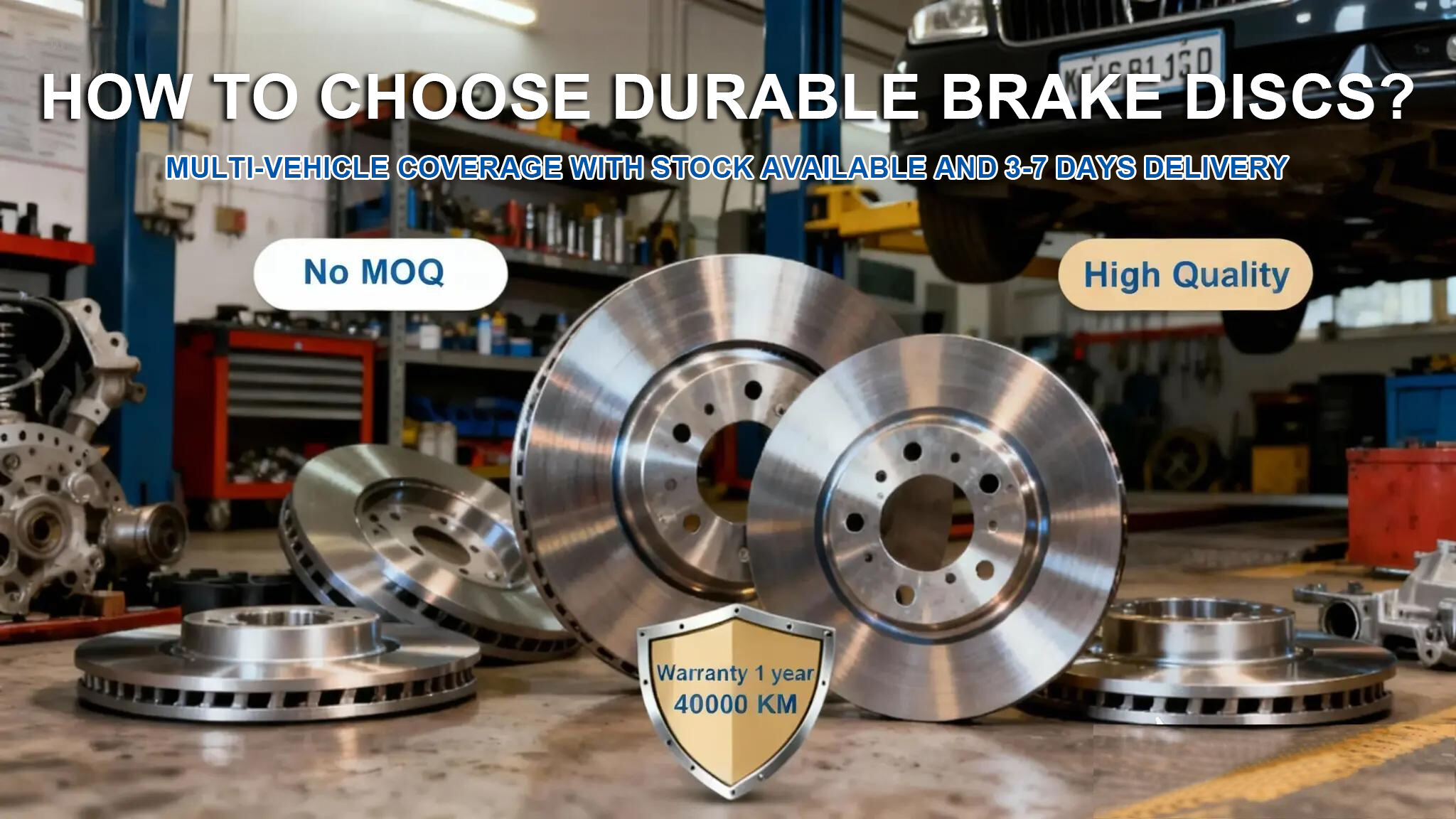
Understanding Brake Disc Materials and Their Impact on Durability
Key Factors in Brake Disc Material That Influence Long-Term Performance
How long brake discs last really depends on what they're made from. When materials can conduct heat well, they dissipate it better, which means drivers won't experience brake fade as often when stopping repeatedly. The ability to maintain shape despite high temperatures is crucial too, since warped discs are a common problem. Most cast iron discs contain between 2.5% and 4% carbon, something that makes them harder and more resistant to wearing down over time. A recent paper published in Nature looked at this issue back in 2023 and found some interesting results. Brake discs containing at least 3.2% carbon showed about 28% less wear compared to regular ones after going through 15 thousand simulated stops in lab tests.
Comparing Cast Iron, Composite, and Ceramic Brake Disc Materials
| Material | Heat Dissipation | Wear Resistance | Best Use Case |
|---|---|---|---|
| Cast Iron | Excellent | Moderate | Daily driving |
| Composite | Good | High | Mixed conditions |
| Ceramic | Superior | Exceptional | High-performance |
Cast iron remains widely used for its balanced performance and affordability. In contrast, ceramic discs offer superior longevity and reduce brake dust by up to 60%, lasting two to three times longer in high-performance applications, as noted in the 2024 Automotive Materials Report.
How Material Quality Affects Heat Dissipation, Wear Resistance, and Longevity
Quality alloys keep their friction properties consistent even when temperatures swing between 100 degrees Celsius and as high as 800 degrees. On the flip side, cheaper materials tend to lose around 40 percent of their braking effectiveness once they get too hot, according to those SAE J2522 tests everyone in the industry references. Looking at data from a recent Nature publication, researchers noticed something interesting about these high carbon composite brake discs. After going through intense heat cycles, they kept 92% of their initial thickness while standard cast iron rotors only held onto about two thirds of what they started with. Makes sense why so many manufacturers are shifting toward these advanced materials nowadays.
Protective Coatings and Surface Treatments for Harsh Driving Conditions
Applying zinc coatings makes a big difference when it comes to fighting corrosion, especially around areas where they salt the roads during winter months. Discs treated this way tend to last anywhere from 30 to 50 percent longer before needing replacement. Another trick worth mentioning is those laser etched slots we see on many modern brake discs. These little grooves actually help push water away better during rainy conditions, which means the brakes work about 18% more efficiently when wet. Mountain drivers will appreciate nitride hardened surfaces too since these special treatments cut down on groove formation by roughly 22% over regular discs. The result? Brake rotors that hold up much better even after repeated heavy use in tough conditions.
Ensuring Proper Brake Disc Size and Vehicle Compatibility
Matching Brake Disc Specifications to Your Vehicle’s Make and Model
Getting the right brake discs for your car isn't just about fitting them in there. Safety depends on matching specs exactly. Things like rotor size usually runs between 10 to 14 inches for regular passenger vehicles, while thickness needs to stay within about plus or minus 0.1 millimeters. Those bolt holes have to line up too, something like 5 bolts spaced 114.3mm apart works for many models. Putting heavy duty truck rotors on a small sedan? That's asking for trouble because they handle heat differently and will warp over time. Brake system manuals actually show that around a quarter of all early wear problems come down to wrong sized rotors. Good quality parts stores now offer those handy VIN lookup features that check everything against what came out of the factory so nothing gets mixed up with calipers, wheel hubs, or even ABS sensors.
Cross-Referencing Fitment Across Models for Reliable Replacement
A lot of brake discs work on several different models from the same manufacturer. Take Toyota for example, where certain rotors fit both the Camry and the Lexus ES. But before making any assumptions, there are important things to check. The GVWR matters a lot - something rated at 4,200 pounds won't handle what a 4,800 pound rating can take. Front and back rotors aren't created equal either; generally speaking, front ones tend to be thicker than their rear counterparts. Wheel size is another consideration since some cars come with 16 inch rims while others have 18 inch wheels. Getting this right means the replacement parts actually work properly under real driving conditions. For people managing multiple vehicles or running a fleet operation, taking these details seriously saves money in the long run by avoiding unnecessary repairs down the road.
Evaluating Brake Disc Design: Perforated, Slotted, or Smooth?
Performance Differences Between Perforated, Slotted, and Smooth Brake Discs
How brake discs are designed makes a real difference when it comes to managing heat and how well they stop the car. For regular street driving, smooth rotors work best because they have those flat surfaces that run quietly and let the brake pads wear evenly over time. Then there are these perforated discs with all those little holes drilled through them. These holes actually help push out hot air and gas when someone really slams on the brakes hard, which is why racers or people going down long hills prefer them since they don't lose effectiveness so quickly. Slotted rotors take another approach altogether with their shallow grooves that sweep away debris from the brake pads. This gives better traction especially when roads are wet, though they maintain their structural integrity better compared to those perforated ones we just talked about. Some tests indicate these slotted models can scatter water away from the contact area about 18 to 22 percent better than standard smooth rotors do.
Choosing the Right Rotor Design Based on Driving Conditions and Load Demands
- Urban commuting: Smooth rotors minimize noise and maintenance costs
- Towing/hauling: Slotted designs prevent pad glazing under continuous heavy loads
- High-performance use: Perforated rotors paired with performance pads deliver consistent response at temperatures exceeding 650°C
Hybrid drilled/slotted options offer a balanced solution for drivers facing mixed conditions, combining effective debris clearance with improved crack resistance.
How Design Affects Noise Reduction, Longevity, and Brake Efficiency
Different rotor designs come with their own set of advantages and disadvantages. Take slotted discs for instance they tend to make brake pads last longer, maybe around 15 to 20 percent extra mileage because of how they wear down the material. But drivers often complain about a faint humming sound when applying gentle pressure to the brakes. Smooth rotors are generally considered the quietest option, keeping noise levels below 65 decibels which is pretty much silent compared to other types. These can go anywhere from 40 thousand to 60 thousand miles before needing replacement in normal city driving conditions. Perforated rotors might not last as long though, usually about 25 to 35 percent less distance than smooth ones since the holes create stress points over time. However, those same holes help maintain better stopping power when things get really hot or wet, improving consistency by roughly 12 to 18 percent in harsh weather situations.
Selecting High-Quality Brake Discs from Reputable Brands
Why Brand Quality Matters for Safety and Braking Efficiency
The best manufacturers spend serious money on developing better materials and maintaining strict quality checks so their products actually work well over time and don't fall apart. According to research from the Ponemon Institute back in 2023, cars with original equipment manufacturer standard brake discs stopped significantly faster in emergencies compared to cheaper alternatives. We're talking about a difference of around 4.7 meters which translates into roughly 34% fewer accidents when roads are wet. Most premium brands go for high carbon steel alloys that measure between 320 to 400 on the hardness scale. They also apply special heat treatment processes that nobody else knows about. These brakes typically last anywhere from 60 thousand to 80 thousand kilometers if driven normally. Looking at certifications matters too. Anyone shopping should definitely check for ISO 9001 and JIS D 4411 standards because these indicate proper manufacturing practices that prevent dimensional issues and cracks down the road.
Warranty and Customer Support as Indicators of Product Reliability
When a company offers an extra year warranty on their products, it usually means they really believe in what they're selling. The numbers back this up too - brands that provide extended coverage see around 30% fewer complaints about parts warping before their time. Look at the top names in automotive manufacturing, and most of them have customer service lines staffed by experts plus online tools that check if parts will fit based on vehicle identification numbers. This approach cuts down on mistakes during installation by almost half, per a study from SAE International last year. Most standard warranties protect against things like bad materials or cracks caused by heat stress that go no deeper than 2.5 millimeters. For car owners, this kind of protection gives real reassurance and saves money over time when replacing parts becomes necessary.
The Value of a 1-Year Optional Warranty in Reducing Ownership Costs
How a Warranty Lowers Long-Term Maintenance and Replacement Costs
An optional one year warranty actually covers those pesky problems we see all too often, like parts wearing down faster than expected or components warping when exposed to extreme temperatures. These warranty programs typically cut down on what people have to pay out of pocket for replacements by around 20 to 35 percent compared to buying without any coverage at all, according to findings from last year's analysis of heavy equipment warranties. For folks who push their vehicles hard, say when doing serious towing jobs or navigating steep mountain roads, the extra protection matters a lot since brakes tend to run about 30 percent hotter under these conditions. And let's face it, when companies know they'll be held responsible if something breaks within the first year, they generally end up putting better quality materials into their products anyway.
Building Confidence in Brake Disc Selection with Guaranteed Support
When buying car parts, a warranty turns what would otherwise be just another transaction into something that offers continued peace of mind about how well those parts will work together. Car owners get access to better tech support and faster replacements too, making sure everything fits properly with today's advanced systems such as ABS and regenerative braking. This matters most for electric and hybrid models since their components tend to wear out differently compared to traditional engines. Looking at data from 2023 on aftermarket parts, customers reported being much happier overall if there was a warranty covering them when problems popped up either while installing or after putting them to use. The difference? Around fifty two percent boost in satisfaction levels according to industry reports.
FAQs
What materials affect the longevity of brake discs?
Brake disc longevity is influenced by materials like cast iron, composite, and ceramic, with higher carbon content generally offering better wear resistance.
Why are ceramic brake discs considered superior?
Ceramic brake discs are noted for their exceptional heat dissipation and wear resistance, making them ideal for high-performance conditions.
How does rotor design impact brake efficiency?
Rotor designs like slotted, perforated, and smooth impact heat management and stopping power, with slotted designs offering better debris removal in wet conditions.
Does brand quality really matter for brake discs?
Yes, reputable brands often use superior materials and adhere to strict quality standards, leading to better safety performance and longer lasting brake discs.
How can a 1-year warranty reduce ownership costs?
A 1-year warranty can lower maintenance costs by covering premature wear and defects, often reducing replacement expenses by 20 to 35 percent.
Table of Contents
- Understanding Brake Disc Materials and Their Impact on Durability
- Ensuring Proper Brake Disc Size and Vehicle Compatibility
- Evaluating Brake Disc Design: Perforated, Slotted, or Smooth?
- Selecting High-Quality Brake Discs from Reputable Brands
- The Value of a 1-Year Optional Warranty in Reducing Ownership Costs
- FAQs