
 EN
EN



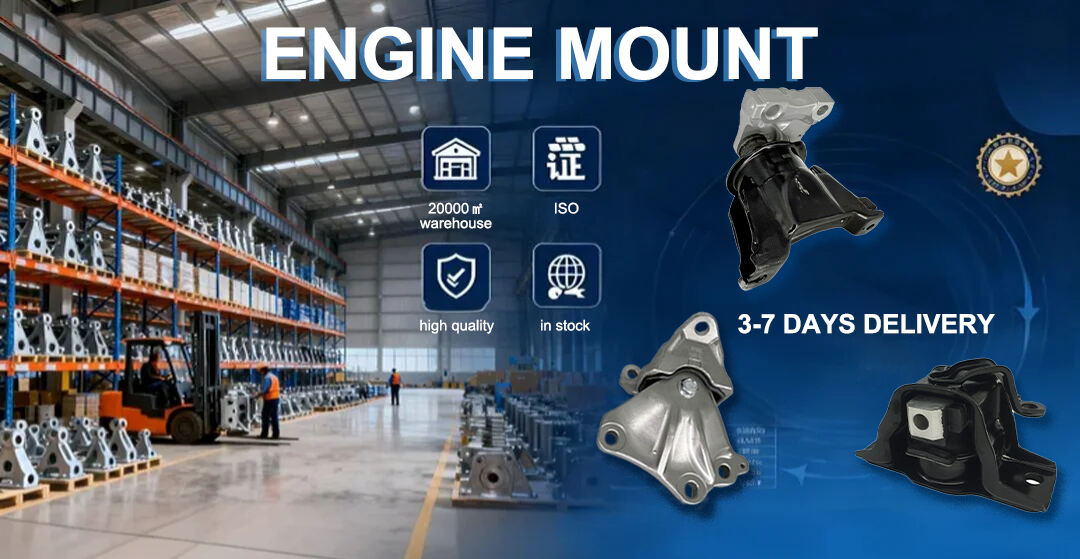
Understanding Quality Assurance and Key Certifications in Automotive Parts Suppliers
The Role of Quality Assurance in Automotive Parts Supply
Good quality assurance systems really matter when it comes to stopping major problems in car parts. Take alternators for instance these things can fail early on and end up costing fleet operators around seven hundred forty thousand dollars each year just from having vehicles out of commission according to Ponemon's research from last year. QA processes check materials, measure how precisely things are made, and test whether components meet their performance targets before they ever get shipped out. Companies that have IATF 16949 certification tend to run into about 18 percent fewer issues after installation compared to those without this kind of accreditation. The difference? Certified suppliers focus more on stopping defects before they happen rather than trying to catch them later down the line.
Key Certifications That Define Quality Assurance in Automotive Parts Procurement
Three certifications stand out in identifying high-quality automotive suppliers:
| Certification | Scope | Impact |
|---|---|---|
| ISO 9001 | Quality management systems | 22% higher customer satisfaction |
| IATF 16949 | Automotive-specific processes | 14% faster defect resolution |
| CAPA | Aftermarket part equivalency | 30% lower warranty claim rates |
According to a 2024 Automotive Procurement Report, 89% of buyers require ISO 9001 compliance for alternator purchases due to its robust traceability framework.
Case Study: How a Leading Supplier Reduced Defect Rates by 40%
One European company managing automotive parts saw their timing belt kit defect rate drop by nearly half after combining AI vision systems with traditional Six Sigma approaches. The results over three years were impressive too: scrap materials went down 17%, deliveries arrived on schedule 98.6% of the time, and they beat what most companies in the sector typically achieve by around 12%. These improvements show just how much difference it makes when quality assurance gets smart technology upgrades that actually work in real manufacturing environments.
Controversy Analysis: ISO Certification vs. In-House Quality Control Standards
ISO certifications definitely set industry standards worldwide, but there are companies that actually get better outcomes with their own unique approaches. According to an ASQ report from last year, around a third of suppliers manage to hit even tighter specifications using their house-made quality controls. Take this transmission manufacturer for instance they rolled out something called the Zero PPM initiative back in 2021 and managed to completely avoid any field failures for almost a full year and a half straight. That beats what most ISO certified competitors manage, which tends to be about 3.2 defects every million parts produced. The catch though is that original equipment manufacturers typically demand ISO certification for roughly 9 out of 10 direct supplier contracts. This puts smaller businesses in a tough spot where they feel forced to implement these certification processes even when their existing methods might work just as well or better.
Ensuring Stock Availability, Inventory Accuracy, and Supply Chain Reliability
Why Stock Availability and Replenishment Predict Supplier Reliability
When suppliers keep their stock levels at 98% or above for essential parts such as alternators, they manage to slash production downtime by around 17% when compared to what's typical across the industry according to the Ponemon Institute report from 2023. The companies that implement automated restocking solutions driven by smart forecasting software tend to see backorders drop significantly too. These systems actually lower the risk of running out of stock by approximately 32%, something we've observed in many contemporary car manufacturing warehouses these days. But there's another side to this story worth mentioning. Relying heavily on those just-in-time delivery approaches carries some serious risks. Looking at research published by MIT back in 2022 shows exactly why this is true. They found that second-tier suppliers who depended on JIT methods experienced delays lasting anywhere between several weeks during the recent chip shortage crisis.
Inventory Accuracy and Stock Level Optimization Techniques
Automotive warehouses that implement real time RFID tracking systems along with consistent cycle counting tend to cut down on inventory errors by around 30 percent each year. The best companies out there combine ABC analysis techniques with those ever evolving safety stock calculations to hit nearly perfect inventory accuracy rates of 99.2% for fast moving items such as alternators, something noted in last years Automotive Inventory Benchmark Report. Still though, almost half (about 41%) of all distributors continue using old school manual methods which costs them roughly seven hundred forty thousand dollars yearly due to those frustrating phantom stock situations where parts show up in records but just aren't actually there when needed.
Real-World Example: Just-in-Time Inventory Failures in Tier-2 Supply Chains
During the COVID-19 port closures, a European alternator supplier's JIT model collapsed, resulting in:
- A 58-day lead time extension for copper wiring
- $2.4 million in penalty fees for breaching OEM contracts
- A permanent 14% loss in market share to regional competitors
This disruption prompted 72% of Tier-1 suppliers to include dual-sourcing requirements in their 2023 RFQs, signaling a strategic shift toward supply chain redundancy.
Industry Paradox: High Stock Levels vs. Obsolescence Risk in Alternator Supply
Keeping around 90 days worth of alternator stock prevents running out of parts, but it comes at a cost. Suppliers are facing an annual obsolescence rate of about 19% as electric vehicles take over the market. The good news is that some pretty advanced machine learning tools can now predict when components will become obsolete with roughly 87% accuracy according to McKinsey's 2023 report. These predictions allow companies to rotate their stock more effectively, cutting down on wasted inventory by around one third. As this situation continues to develop, many businesses are starting to adopt what we might call hybrid inventory systems. Instead of just keeping massive static stockpiles, they're turning to data analysis to make smarter decisions. This approach seems to strike a better balance between being prepared for disruptions while still maintaining efficient operations across today's complex supply networks.
FAQ
What is the IATF 16949 certification?
The IATF 16949 is a global Quality Management System Standard for the automotive sector, which aims to improve system and process quality, reduce variability, and prevent defects.
Why is ISO 9001 compliance important for automotive parts suppliers?
ISO 9001 ensures that suppliers maintain a robust traceability framework and meet quality management systems standards, which leads to higher customer satisfaction and reduced defect rates.
What are the risks of a just-in-time (JIT) inventory model?
Reliance on the JIT inventory model can lead to significant delays and operational disruptions, especially when supply chains face unexpected crises, as seen during the COVID-19 pandemic.
How can advanced technology improve supply chain reliability?
Technologies like AI vision systems and machine learning can enhance quality assurance, accurately predict inventory needs, and optimize stock levels, reducing waste and mitigating risks.