
 EN
EN



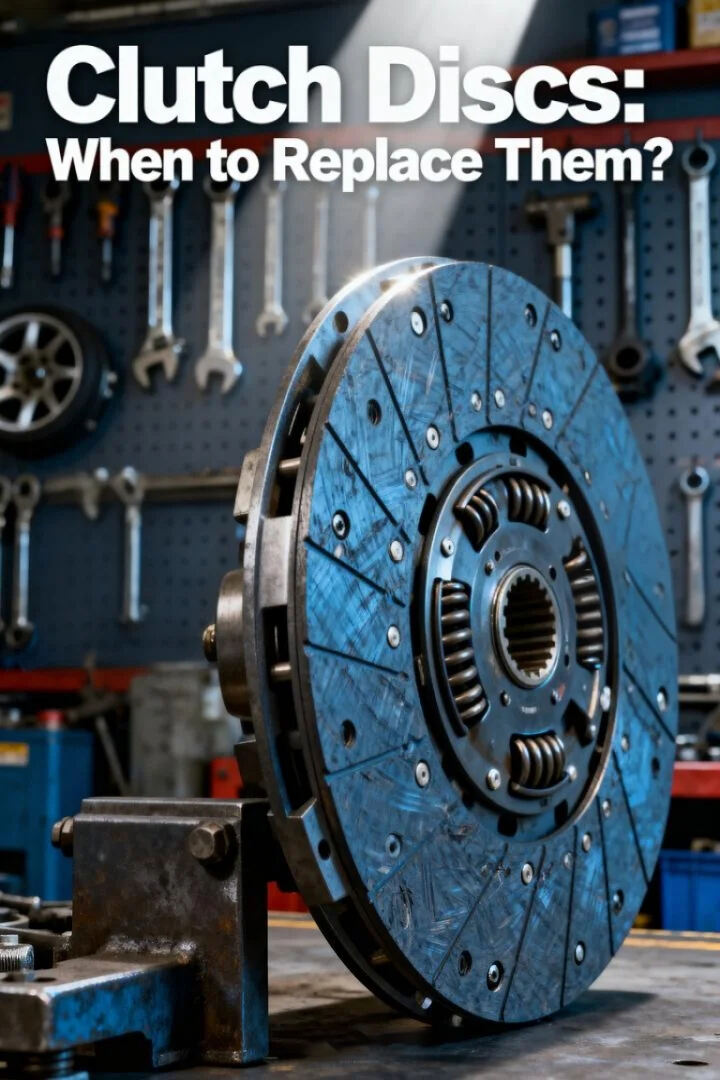
Understanding the Clutch Disc and Its Role in Vehicle Performance
What is a clutch disc and how does it function?
At the heart of the system sits the clutch disc, which actually does all the heavy lifting when it comes to transferring engine power into the transmission. This little marvel sits right between the flywheel and pressure plate, relying on those special friction materials to grab hold of both sides whenever needed. Press down on that clutch pedal and suddenly there's hydraulic pressure working against the disc, cutting off power so we can shift gears smoothly without grinding anything up. Let go of the pedal again and voila! The drivetrain connects once more, letting us accelerate at our own pace rather than just lurching forward uncontrollably every time we try to move.
Integration of the clutch disc within the clutch system components (pressure plate, flywheel)
Three key components work together:
- Flywheel: Stores rotational energy and stabilizes engine output
- Pressure plate: Applies mechanical force to engage or release the clutch disc
- Clutch disc: Transmits torque through friction
This assembly ensures precise power delivery, especially critical in manual transmissions with frequent shifting. Misalignment among these parts accelerates wear and reduces efficiency.
The relationship between clutch disc wear and friction material degradation
The heat generated from constant friction slowly eats away at those composite brake linings on discs, especially if someone has a habit of flooring it through stop signs. When this friction material starts wearing down, there's just not enough grip left to hold things together properly, which means wheels might slip around when trying to speed up again. A study by SAE International back in 2021 found out that about two thirds of all early brake replacements happen simply because these linings get worn down past the 2mm mark. Most mechanics recommend checking brakes somewhere between 40k and 60k miles as a good rule of thumb for catching problems before they turn into major headaches down the road.
Common Symptoms of a Failing Clutch Disc
Clutch slip: Identifying slippage during acceleration
A slipping clutch causes RPM surges without proportional speed increases. This happens when worn friction material fails to maintain contact between the flywheel and pressure plate. Drivers often notice engine revs climbing 20-30% higher than normal during merging or uphill driving—clear evidence of compromised performance.
Burning smell from clutch due to overheating friction materials
Overheated organic linings emit an acrid odor similar to burnt toast. This typically occurs after repeated hill starts or prolonged clutch slipping in stop-and-go traffic. Over 60% of clutch failures involve heat damage to the friction lining, as reported by NHTSA (2022).
Clutch engagement issues affecting smooth take-offs
Worn discs lead to erratic engagement, including:
- Sudden grabbing at the bite point
- Pedal vibration through the floorboard
- Delayed power transfer from standstill
These issues are more pronounced in wet conditions, where moisture further reduces the effectiveness of degraded friction surfaces.
Gear shifting issues linked to worn clutch disc performance
A thinning clutch disc prevents full disengagement, resulting in:
- Difficulty engaging first or reverse gears
- Grinding noises during mid-range gear changes
- False neutrals in higher gears
Mechanics find that 38% of manual transmission shift problems stem from worn clutch discs rather than synchronizer wear (MTAA 2023).
Clutch grab and vibration issues during low-speed operation
Hot spots or oil contamination create uneven contact surfaces, causing juddering during parking maneuvers or slow crawling in traffic. This vibration signals the disc can no longer distribute friction evenly, indicating advanced wear.
Diagnosing Clutch Disc Wear and Determining Replacement Need
Visual inspection and wear check procedures for the clutch disc
Diagnosis begins with transmission removal to inspect the clutch disc. Worn units typically have less than 3 mm of friction material—most manufacturers’ replacement threshold—along with uneven wear, glazing, cracked damper springs, or exposed rivets. These signs indicate significant degradation requiring immediate replacement.
On-road testing to detect early signs of clutch slippage
A simple test identifies early slippage:
- Drive in third gear at 25 mph
- Fully accelerate
If RPMs rise without corresponding speed increase, slippage exceeds 15%—a critical threshold established in transmission performance studies. A burning smell during this test confirms friction material overheating.
Professional diagnostic tools for measuring clutch disc thickness and integrity
Laser micrometers now offer ±0.01 mm accuracy in measuring disc thickness, far surpassing traditional calipers (±0.5 mm). Leading shops pair this with hydraulic pressure tests (optimal range: 1,800—2,200 PSI) to assess overall clutch health. Results deviating more than 20% from OEM specifications usually justify a full clutch replacement.
Factors Influencing Clutch Disc Lifespan and Replacement Timing
Driving Habits and Their Impact on Clutch Disc Longevity
Driving behavior significantly affects lifespan—urban drivers replace clutches 38% more frequently than highway users (2023 Transmission Systems Report). Aggressive starts, riding the clutch pedal, and improper shifting accelerate wear. In contrast, professional drivers often exceed 100,000 miles through smooth technique and minimal pedal use.
Vehicle Load, Terrain, and Stop-and-Go Traffic Effects
Heavy loads and steep terrain increase torque demands by 27—42%, according to drivetrain simulations. Stop-and-go traffic multiplies engagement cycles, while off-road conditions introduce contaminants that degrade friction surfaces. Vehicles in mountainous regions typically require service 18 months earlier than those in flat areas.
Transmission Type and Engine Torque Considerations
High-torque diesel engines place the greatest stress on clutch discs, with stock units lasting 50,000—70,000 miles under normal use. Automatic transmissions reduce wear by minimizing human error, but performance upgrades like engine tuning demand stronger clutch materials to handle increased power.
Maximizing Clutch Disc Life and Planning for Timely Replacement
Best Maintenance Practices to Extend Clutch Disc Performance
Don't ride the clutch when coming to a stop because keeping the pedal partially pressed just wears things out faster. When changing gears, make sure to do it firmly so there's less slipping going on, and absolutely avoid resting the foot on the pedal at all. Check out the clutch hydraulic system every six months or so looking for any signs of leakage or trapped air since these issues really mess with how well the clutch engages properly. If someone regularly drives in tough conditions or tackles hills often, switching to lower gears makes sense as this puts less stress on the clutch components over time.
When to Replace the Clutch Disc and Consider Flywheel Resurfacing
When the clutch starts acting up with inconsistent engagement or slips while accelerating normally, it's time to think about replacing the disc. For flywheels showing signs of wear, resurfacing is needed when scoring goes beyond about 0.004 inches deep. Uneven spots on the surface can cut down contact area between parts by as much as 40%, according to research from SAE last year. Most car makers suggest changing these components around 60k to 100k miles mark, but folks who drive aggressively in city traffic often find themselves needing replacements twice as often. Don't forget to swap out both the pressure plate and release bearing whenever doing major work on the clutch system. These parts tend to wear together over time, so replacing them all at once usually saves headaches down the road.
Average Clutch Disc Lifespan: Manufacturer Guidelines vs. Real-World Data
Car manufacturers typically say these parts should last around 70,000 miles when everything goes perfectly, but what we actually see on the road tells a different story. About 40 percent of people end up needing new ones well before hitting 50k miles, especially those stuck in stop-and-go traffic most days according to a report from Automotive Engineering Group back in 2022. For cars that put out extra power or have higher torque specs, this replacement time gets cut down by roughly thirty percent compared to regular vehicles. Mechanics will tell anyone who'll listen that just looking at the odometer isn't enough. They recommend keeping an eye out for signs something might be wrong too. If the car starts shaking unexpectedly or feels like it's grabbing when shifting gears, those are red flags that need checking even if the mileage doesn't look bad yet.
FAQs on Clutch Disc Performance
What are the main symptoms of a failing clutch disc?
Signs of a failing clutch disc include slippage during acceleration, burning smell from overheating, erratic clutch engagement, gear shifting issues, and vibration during low-speed operations.
How often should I inspect my clutch disc?
It's recommended to inspect your clutch disc every 40,000 to 60,000 miles, or sooner if you experience any symptoms of wear or performance issues.
Can driving habits affect clutch disc lifespan?
Yes, aggressive driving habits, frequent stop-and-go traffic, and heavy loads can significantly reduce clutch disc lifespan.
When should I consider replacing the clutch disc?
Consider replacing the clutch disc if you experience slippage, inconsistent engagement, or after a thorough inspection reveals wear beyond manufacturer guidelines.
Table of Contents
- Understanding the Clutch Disc and Its Role in Vehicle Performance
- Common Symptoms of a Failing Clutch Disc
- Diagnosing Clutch Disc Wear and Determining Replacement Need
- Factors Influencing Clutch Disc Lifespan and Replacement Timing
- Maximizing Clutch Disc Life and Planning for Timely Replacement
- FAQs on Clutch Disc Performance